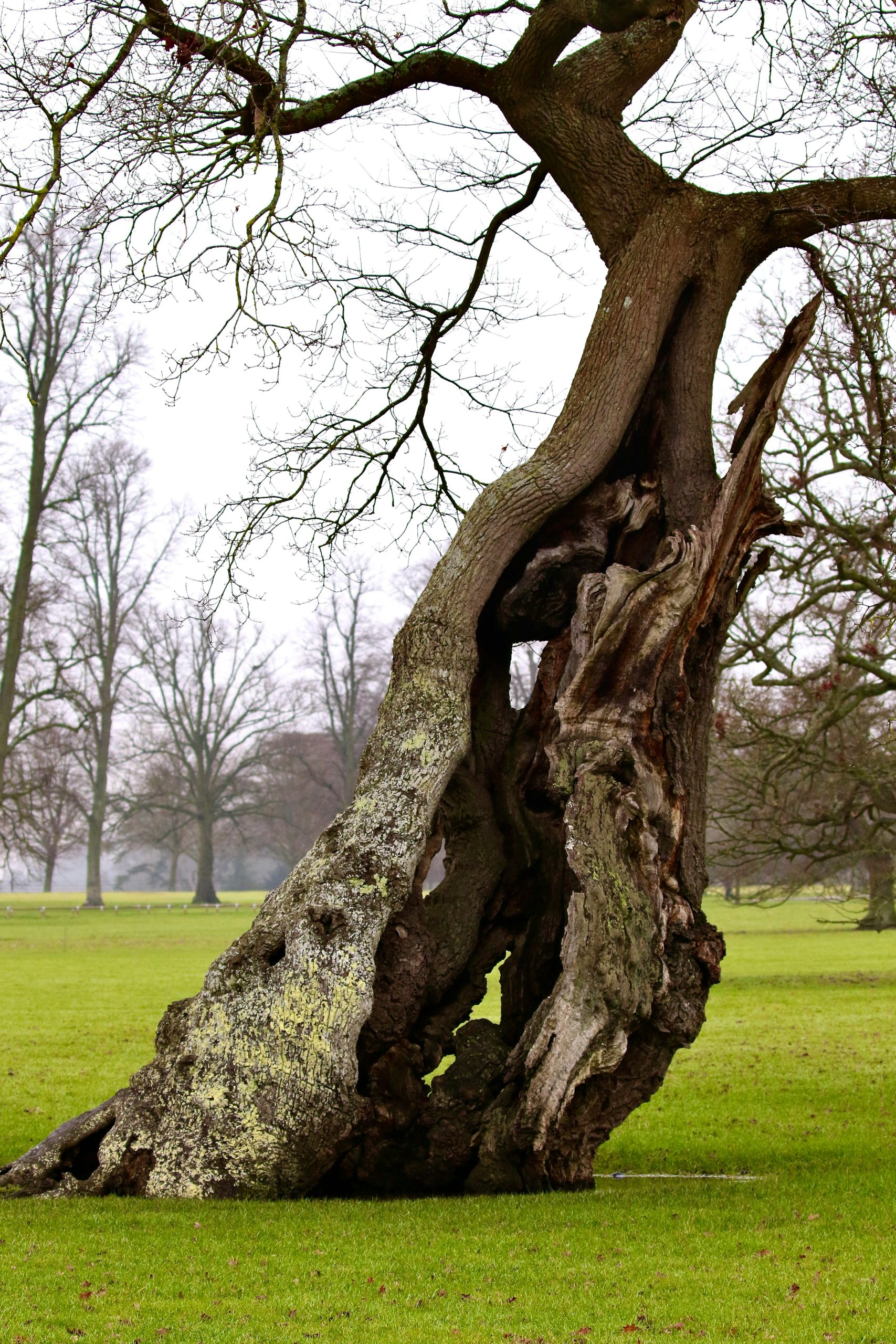
A leaning tree can be worrying for any Preston homeowner. Maybe you’ve noticed your tree gradually tilting over time, or perhaps it shifted suddenly after a winter storm. While some trees naturally grow at a slight angle, others lean because of serious underlying problems – and these issues can become dangerous if left unchecked.
At LES Tree Services, we inspect hundreds of trees each year across Preston, South Ribble, Penwortham, Fulwood, Ashton, Cottam, Ingol, Ribbleton and South Preston, and leaning trees are one of the most common causes for urgent callouts. This guide explains when a lean is harmless, when it’s a genuine safety concern, and what simple checks you can safely carry out before calling a professional.
🌲 Why Trees Lean in Preston Gardens
There are several reasons trees develop a lean, and not all are dangerous. Understanding the cause helps you judge whether the tree poses a risk.
- Prevailing Winds
Preston is known for strong westerly winds, which hit open areas like South Preston, Penwortham, and Ashton particularly hard. Over time, consistent wind pressure can push a tree slightly off-centre.
- Soil Type — Especially Clay
Much of Preston sits on clay-heavy soil. Clay expands when wet and contracts when dry, causing gradual soil movement — which can alter a tree’s stability. In new-build estates (like Cottam or areas off the A582), rapid soil changes can be even more pronounced.
- Root Disturbance
Tree roots can be unintentionally damaged during:
- driveway installation
- fencing work
- landscaping
- trenching for utilities
When roots lose their structural grip, the tree may begin to tilt.
- Storms & High Winds (Sept–Feb)
Autumn and Winter bring some of the most destructive storms to the North West. A tree that was stable before a storm can begin leaning afterwards due to root plate movement or broken structural roots.
- Growing Toward Light
In shaded gardens – such as terraces in Ashton or properties where extensions block the sun – trees sometimes lean naturally toward sunlight. This lean tends to develop slowly and is usually harmless if the tree is otherwise healthy.
- Uneven Canopy Weight
Incorrect pruning (such as topping or heavy one-sided cuts) can unbalance a tree, causing it to lean over time as it tries to stabilise itself.
Not all leaning trees are dangerous – but some can become unstable quickly, especially after storms or soil movement.
Signs Your Leaning Tree in Preston Is Dangerous
There are several warning signs that your leaning tree may pose a risk to property, people, or neighbouring gardens. If you notice any of the following, it’s time to speak to a qualified tree surgeon.
A New or Rapidly Increasing Lean
Trees that suddenly shift position often indicate serious structural failure. Even a small change in angle over a few days or weeks can be a warning sign
Soil Cracking or Lifting
Check the ground around the base. If the soil on one side looks raised, cracked or pulled upwards, this can mean the tree is uprooting — a major risk, especially during windy weather.
- Fungus or Root Rot
Look for:
- mushrooms
- soft or crumbly wood
- areas of missing bark
These symptoms point to decaying roots or a failing trunk, both of which reduce stability.
- Vertical Trunk Cracks
Deep splits or cracks weaken the tree significantly. When combined with a lean, this increases the risk of collapse. - Danger Direction
If the tree leans over:- your house
- neighbour’s property
- driveway or cars
- public pathways
…the risk is substantially higher.
- Dead or Weak Branches
Dying limbs reduce overall structural integrity. A tree that is both leaning and declining in health can become unpredictable.
Simple Checks You Can Do (Safely)
Before calling LES Tree Services, there are a few visual checks you can perform. These don’t require tools and can be done from the ground.
- Observe the Angle From a Distance
Step back far enough to see the entire tree. Ask yourself:Has it always leaned? Or is this new?Taking photos from the same spot over a few weeks can help you compare changes.
- Observe the Angle From a Distance
- Look for Soil Disturbance
Inspect the base of the tree. Signs of trouble include:- lifted soil
- cracks radiating from the trunk
- exposed roots
These suggest root plate movement.
- Look for Soil Disturbance
- Examine the Trunk
If you spot:- deep cracks
- peeling bark
- cavities
…it could mean the trunk is weakened and unable to support the tree’s weight.
- Examine the Trunk
- Check for Decay
Decay often appears as:- dark, soft patches
- fungus
- crumbling wood
Decay at the base is especially concerning.
- Check for Decay
- Consider What the Tree Leans Toward
A tree leaning harmlessly toward an open garden is one thing. A tree leaning toward a roof, car, or neighbour’s property is another matter entirely.
- Consider What the Tree Leans Toward
If you’re unsure, take a few photos and send them to LES Tree Services (tree care, tree maintenance, and local tree services) for a free quick first assessment.
🌳 Preventing Leaning Tree Issues
Good tree care can prevent leaning and improve stability over the long term.
Prune Early and Correctly
Regular maintenance helps balance weight distribution and reduces risk from storms.
Avoid Soil Compaction
Cars, heavy foot traffic, or building work can compress soil and damage roots.
Don’t Cut Roots Without Guidance
Even small root cuts can destabilise a tree. Always consult a professional first.
Reduce Wind Load Before Winter
Thinning the canopy helps wind move through the tree more easily, reducing strain during strong Preston storms.
Water During Dry Spells
Dry summers weaken trees and make them less resilient during winter storms.
Healthy, well-maintained trees withstand harsh weather far better than neglected ones.
Worried About a Leaning Tree in Preston? Get It Checked Today. Give us a call on 01772 885100
Email or message us today for a no-obligation quote or to schedule or to schedule a professional tree inspection.
A leaning tree can be anything from harmless to high-risk — and the safest way to know is through a professional inspection.
At LES Tree Services, we provide:
- leaning tree assessments
- storm damage inspections
- safe corrective pruning
- emergency tree removal
- preventative maintenance
Serving homeowners across Preston, Fulwood, Penwortham, Ashton, Ingol, Cottam, Ribbleton & South Preston and beyond.
Frequently Asked Questions About – Leaning Tree Preston
Q: Is a leaning tree always dangerous?
Not always. Many trees in Preston naturally develop a slight lean as they grow toward sunlight or due to prevailing winds. A lean that has been stable for years is often harmless. However, a new or increasing lean, especially after heavy rain or storms, can be a sign of root damage or structural failure. If you notice soil lifting, cracking at the base, or visible root movement, it’s important to get the tree assessed by a qualified tree surgeon in Preston. LES Tree Services can determine whether the lean is safe or requires urgent action.
Q: Who do I call about a leaning tree in Preston?
If a tree is leaning, unstable or showing signs of movement, you should contact a local tree surgeon in Preston who is experienced in tree risk assessments. LES Tree Services provides professional inspections, safety checks, and emergency callouts across Preston, Penwortham, Fulwood, South Preston, Ashton, Ingol and Ribbleton and beyond. If the tree is posing an immediate danger to people or property, call 01772 885100 for urgent support.
Q: Can a leaning tree be saved?
In many cases, yes. A leaning tree can often be stabilised through corrective pruning, crown reduction, weight redistribution or targeted support measures. Younger trees may also benefit from proper staking. However, if the lean is caused by root rot, major root plate failure or extensive decay, removal may be the safest option. An on-site inspection by LES Tree Services will determine the best approach to keep your Preston garden safe.
Q: Why is my tree leaning after heavy rain or storms?
Leaning after severe weather is common in Preston, especially between September and February, when strong winds and saturated clay soils weaken root systems.
Wet soil can reduce root grip, allowing the tree to shift, while wind pressure pushes the canopy in one direction. If your tree develops a lean after a storm — even a small one — it’s worth arranging a tree inspection in Preston to check for root movement or hidden damage.
Q: How much does a leaning tree inspection cost in Preston?
At LES Tree Services we don’t charge for our site assessments! Yes! they are FREE OF CHARGE. Alternatively LES Tree Services also offers free initial advice by email or over the phone, and you can send photos via our website lestreeservices.com or call 01772 885100 for a quick estimate.
Getting a professional free tree inspection is far cheaper than dealing with the damage a fallen tree can cause. We want to help the people across Lancashire maintain healthy trees and habitats across Lancashire and are happy to share our knowledge and expertise to benefit our local communities.
Call LES Tree Services today on 01772 885100 for a free site survey or to schedule a professional tree inspection.


What do our customers have to say…?